
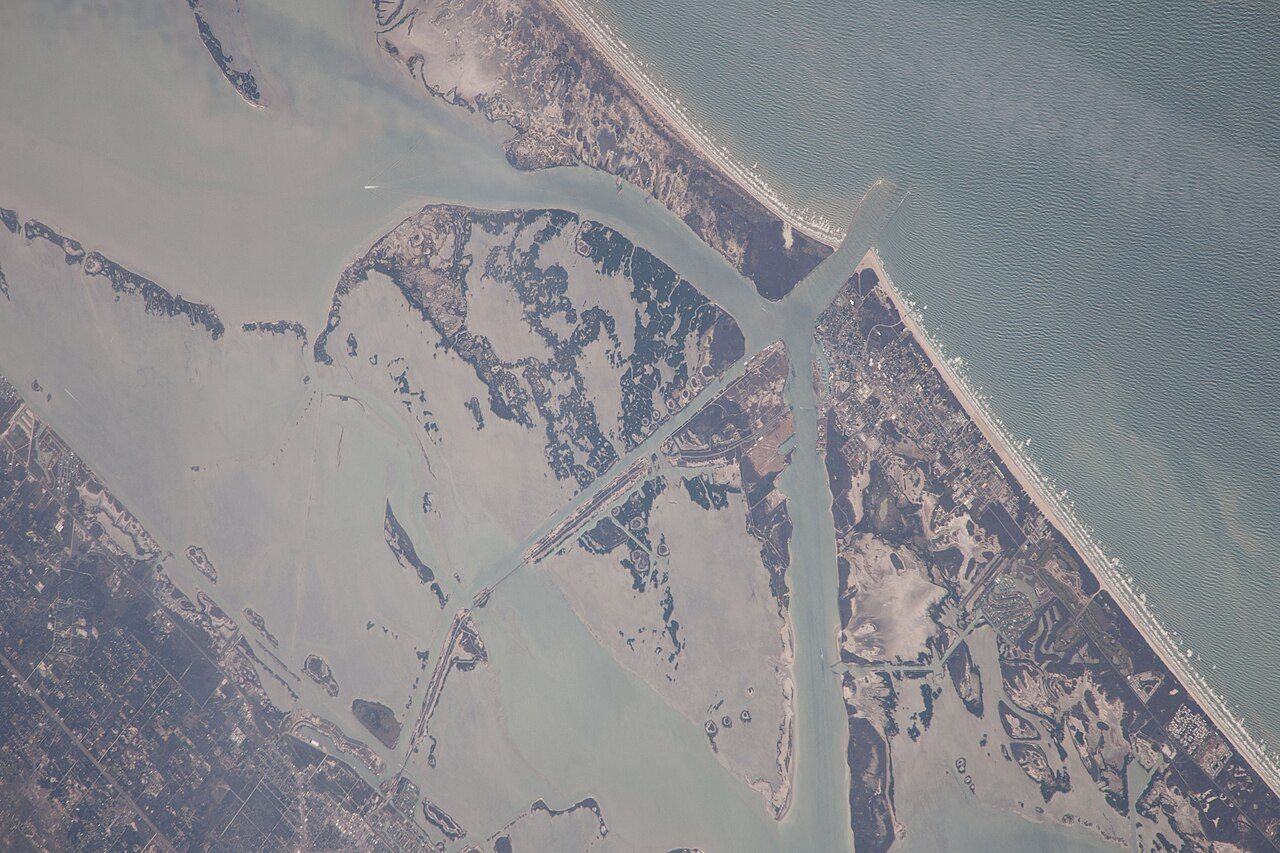
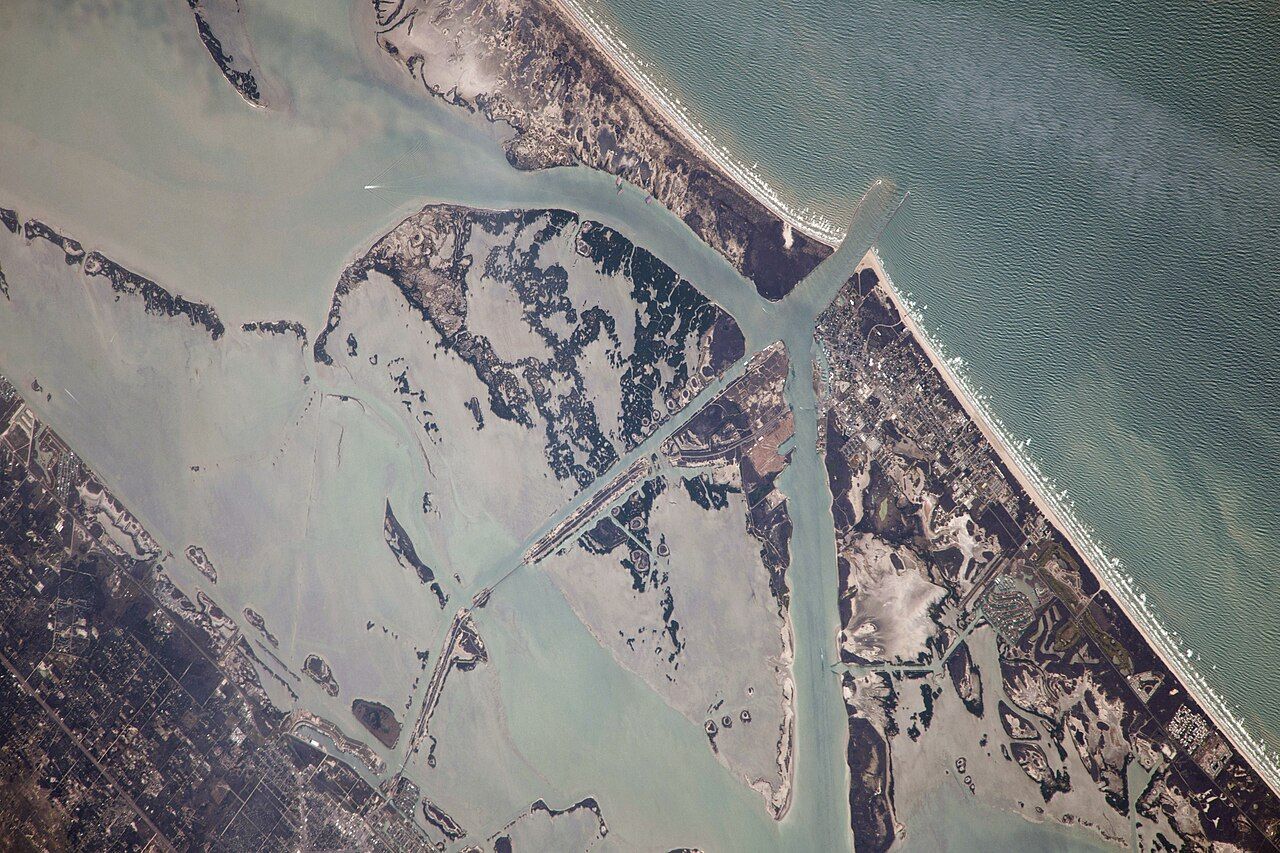
Stand on the beach at Port Aransas and look north across the ship channel, and you see a long, low shoreline with no buildings on it at all. That is San Jose Island, sometimes called St. Joseph Island on older maps. It runs for many miles up the coast towards Matagorda Island, and it is privately owned. There is no causeway and no car ferry, but the owners allow visitors on the beach and the jetty, and a small passenger boat crosses from the Port Aransas waterfront through the day.
That arrangement shapes everything about a visit. You go over with what you can carry, you come back with all of it, and in between you have a stretch of Gulf beach that may be completely empty in either direction. For a coast where most beaches have a road along them, it is a rare thing.
Getting across
The boat leaves from the harbour side of Port Aransas and drops you near the island's south end, by the north jetty of the pass. Trips run on a schedule that changes with the season, and the fare is modest. Check the current times and the last boat back before you go, and keep an eye on the clock; missing the return means a long and uncomfortable wait.
From Rockport, getting to Port Aransas is half the trip. You drive down to Aransas Pass, cross the causeway to Harbor Island and take the free car ferry over to Port Aransas. On a summer weekend the ferry queue can be long, so allow plenty of time, or come in the cooler months when the island is at its quietest anyway.
The north jetty
The granite jetties at the mouth of the pass were built to keep the shipping channel open, and the north one runs out into the Gulf from San Jose Island. Many people who cross never go far beyond it. Anglers walk out along the rocks for redfish, trout and whatever is running, and the deep water off the end draws dolphins in to feed.
The rocks are uneven, often wet and in places slick with weed, so wear proper shoes and take it slowly. Waves can wash over the outer end in rough weather. Currents through the pass are strong and change with the tide, and the channel carries large ships and tankers. Do not swim near the jetty or in the pass at all.
Down the road · Rockport-FultonRockport by the water, from the harbour to Little BayA walk up the empty beach
Turn your back on the jetty and walk north, and within a short time the boat landing is out of sight. The beach is broad and gently sloping, backed by dunes and grassland. There are no lifeguards, no showers and no shade, and the sense of space is the whole point. On a calm morning in winter you may share miles of sand with a few shorebirds and a line of pelicans.
Without the steady traffic of a road beach, San Jose is one of the better places on the coast for shelling, especially after a winter norther or a run of rough weather. Look along the tide line for whelks, olives, sand dollars, scallops and the odd sea bean carried across the Gulf from the tropics. Leave anything that is still alive where you found it.
The same currents that bring in shells also bring rubbish. Sadly the Gulf beaches here collect plastic, rope and drift from far away, and some visitors make a habit of carrying a bag to take a little of it home along with their own.
What to bring, all of it
The island has no shops, no drinking water and very little shade, so you pack as if for a small expedition. Pack a generous supply of drinking water, more than a hot day seems to call for, plus food for the day, a shade shelter or umbrella that stands up to wind, sunscreen, hats and a light long-sleeved shirt. A small cart with wide wheels helps with heavier loads on sand. Take a first-aid kit and something for jellyfish stings.
Everything you carry over comes back with you. That includes food scraps, bottle caps and fishing line, which tangles birds. Some people camp on the island, which the owners have allowed in the past, but the rules can change, so ask before you plan an overnight trip. Fires and vehicles are a matter for the owners' rules too.
Phones work in places near the pass and less reliably further up the beach. Let a friend know your plans, carry a charged phone in a dry bag and watch the weather.
Wind, sun and storms
The open Gulf beach catches every breeze. On most days that is a blessing, but a strong onshore wind can drive the tide up the beach and fill the air with sand. In summer, heat builds quickly and there is no escape from the sun. Spring and autumn are the kindest seasons, with mild days and fewer people on the boat.
Do not cross if a storm is in the forecast. The island has nowhere to shelter, and the boat stops running in rough water. In hurricane season, the Gulf weather notes apply here more than anywhere.
Fitting it into a trip
A half day on the island suits most people, and you can easily pair it with a slow afternoon in Port Aransas or a drive down Mustang Island to its state park. If the boat is not running, the beaches of Port Aransas itself are just across the channel and far busier, which only makes San Jose's emptiness more striking on the days when you can reach it.
Picture credits: NASA ISS Expedition 38 – public domain the file; NASA – public domain the file.

