
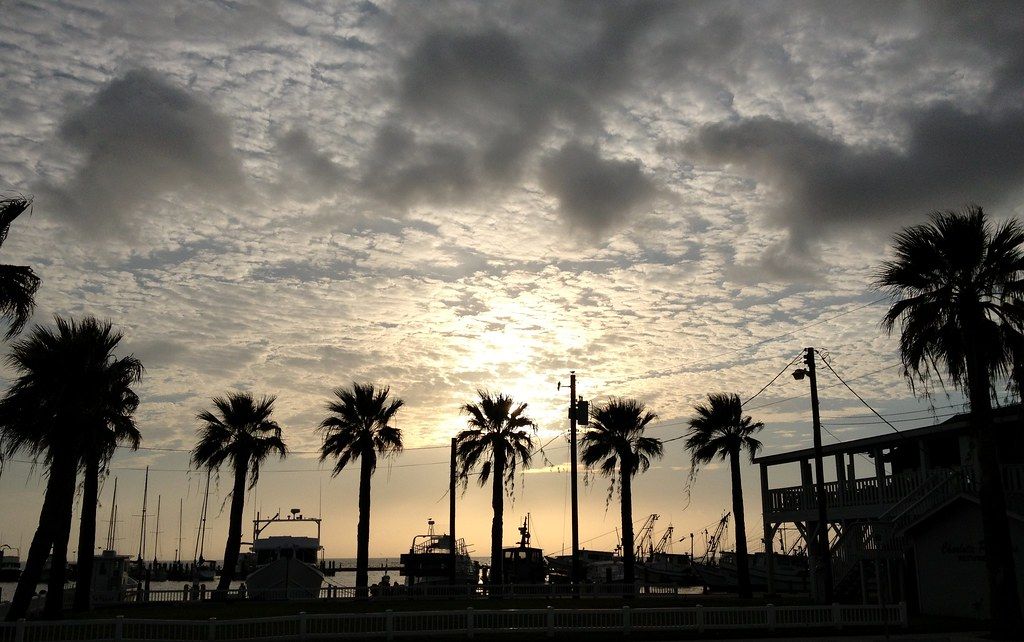
Early in the morning, the harbour in Rockport smells of salt, diesel and ice. Shrimp boats come in with their nets hauled up on tall outriggers, and the day's work begins long before most visitors are awake. Seafood here is not a theme. It is an industry, a family trade and, for many people along the bays, a way of life that goes back generations.
For visitors, that means two things: good, fresh seafood is part of the pleasure of time on the Coastal Bend, and the rules that govern it are worth understanding. Seasons open and close, reefs shut after storms, and red tide can halt shellfish harvesting without much warning. What follows is a general guide, not a rulebook.
The bays and their reefs
Aransas, Copano, Mesquite and St Charles bays form a connected system of shallow, brackish water behind the barrier islands. Rivers bring in fresh water from inland, the passes let in salt water from the Gulf, and the mix suits oysters well. Reefs build up over long periods in these bays, and they shelter crabs, small fish and the larger fish that feed on them.
The reefs also steady the shoreline and filter the water. A healthy reef does more for a bay than any single harvest. That is why the state manages them carefully. Some areas are closed for restoration, some are rotated, and some open only when surveys show enough oysters of legal size.
You can see some of this from the shore. On low winter tides, when north winds push water out of the bays, ridges of shell show along the edges of coves and marsh. Wading birds pick through them, and the smell of the mud carries on the wind.
How the oyster season works
The public oyster season in Texas bays traditionally runs through the cooler months, roughly from late autumn to spring. The old rule of eating oysters only in months with an R in them still works as a rough guide, though the real rules are set by the state rather than by the calendar.
Within that window, individual bays and areas can close at any time. Surveys may show too few oysters. Heavy rain can lower salinity and raise bacteria levels. A storm can bury reefs in silt. Red tide, a bloom of algae that can make shellfish unsafe to eat, can close long stretches of coast for weeks. Recreational harvesting comes with its own rules on licences, limits and tools.
A healthy reef does more for a bay than any single harvest.
If you are buying rather than harvesting, the simplest guide is to buy from a licensed seller and ask where the oysters came from. Shellfish sold in Texas must come from approved waters and be tagged with their origin, and an honest seller will happily tell you which bay they were taken from.
Shrimp boats and the dockside catch
Shrimp are the other great harvest of these waters. Brown shrimp and white shrimp are the main species, and they move between the bays and the Gulf at different times of year. Bay shrimpers work the shallow water with smaller boats, while larger vessels go out into the Gulf for longer trips.
Down the road · Bays and birdsCopano Bay at sunset, from the end of the old causewayThe state sets seasons for shrimping too, including a closure in Gulf waters off Texas each summer to let young shrimp grow before they are caught. The exact dates shift from year to year. During open seasons, some boats sell part of their catch directly at the dock, often with a simple hand-painted sign. Prices move with the catch, the size of the shrimp and the time of year, so ask before you commit.
A few tips for buying at the docks:
- Come early. The best shrimp go quickly, and boats may sell out by mid-morning.
- Bring a cooler with plenty of ice. The Texas sun turns seafood quickly.
- Shrimp are usually sold by the pound, graded by size. Ask what the numbers mean if you are unsure.
- Head-on shrimp cost less and keep their flavour well; removing the heads takes only a minute.
For a sense of the harbour itself, and the town around it, see the guide to Rockport's harbour, beach and art galleries. If the boats and their history catch your interest, the Texas Maritime Museum near the harbour tells the longer story of working craft on this coast.
Cooking simply
Fresh Gulf shrimp need very little help. Boil them in well-salted water with a bay leaf, a squeeze of lemon and a pinch of cayenne, and lift them out as soon as they curl and turn pink, which takes only a couple of minutes. Overcooking is the most common mistake. Cool them on ice and peel them at the table.
On a grill, shrimp do best skewered and brushed with oil, garlic and a little chilli. Cook them over high heat and serve them with lime and a cold drink. A cast-iron pan works too: sear the shrimp hard, then finish with butter and garlic.
Oysters are a different matter. Many people eat them raw, but raw shellfish carry a real risk of illness from bacteria in warm coastal waters, especially for people with liver disease, weak immune systems or other health problems. Cooking them removes that risk. Roast oysters in their shells on a grill until they pop open, shuck them and fry them in cornmeal, or bake them with butter, garlic and breadcrumbs.
If you shuck your own, use a proper oyster knife and wear a thick glove on the hand that holds the shell. The edges are sharp, and the knife slips more often than you expect.
Storms, red tide and closures
Oyster reefs and shrimp nurseries are sensitive to big events. Hurricanes can smother reefs in sediment or scour them away, and heavy rains can flood the bays with fresh water. After Hurricane Harvey in 2017, parts of the bays needed time to recover, and some reef areas were closed to allow restoration. That chapter is told in the guide to Rockport after Hurricane Harvey.
Red tide is the other recurring problem. It tends to appear in late summer and autumn, and it can discolour the water, kill fish and cause coughing and eye irritation along the beaches. When red tide is present, shellfish harvesting is closed in affected areas, sometimes for weeks or months. Shrimp and finfish from the same waters are generally considered safe to eat once cleaned, but shellfish are not.
Before harvesting or buying shellfish, look at the state's current closure maps and announcements. They are updated often, and conditions can change from one week to the next.
A seafood day on the Coastal Bend
A good seafood day starts at the harbour soon after sunrise, when the light is soft and the boats are coming in. Buy a few pounds of shrimp, keep them on ice and head out along the bayfront to a park with a grill and a view of the water. Cook simply, eat slowly, and watch the pelicans and gulls work the shallows for their own share of the catch.
In autumn, Rockport's Seafair festival celebrates the catch with food, music and boat-themed events, and it is a cheerful way to see the town together. In winter, the oyster season and the arrival of the whooping cranes make a fine pairing: a morning on the water looking for cranes, as the guide to whooping cranes at Aransas describes, followed by an afternoon roasting oysters you bought that morning.
Picture credits: OakleyOriginals – Creative Commons BY 2.0.